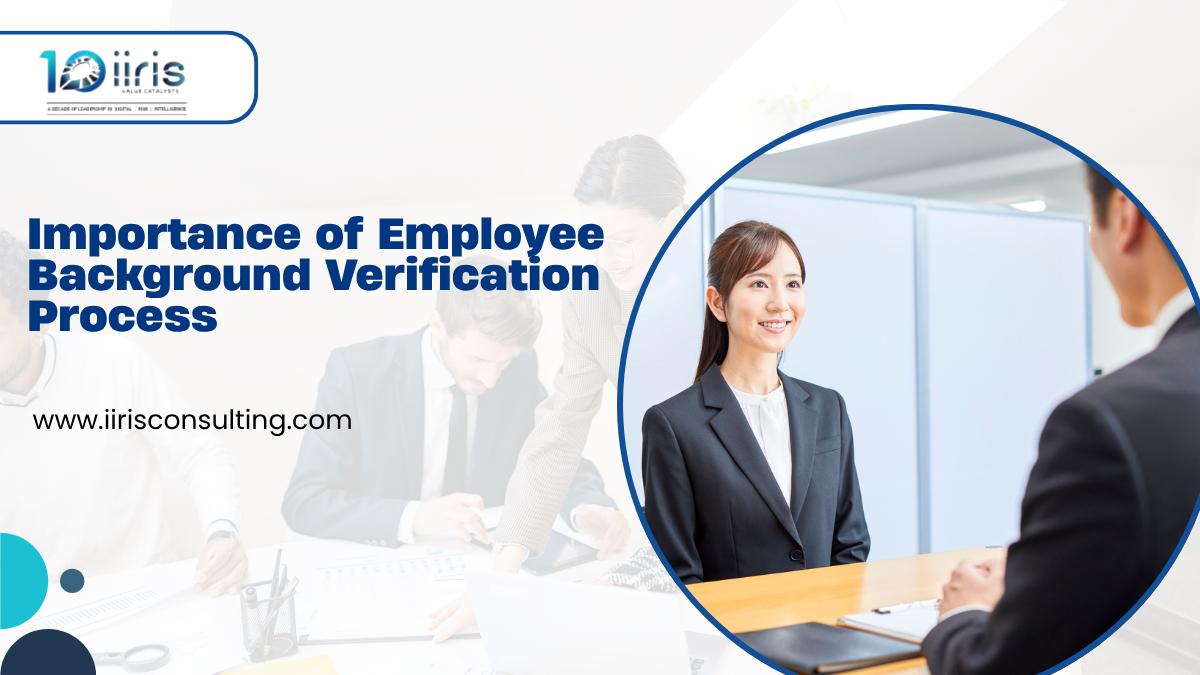
No business can afford to employ incompetent and dishonest employees. However, how does an employer know that the person seated across them during the interview process is indeed who he or she claims to be? This question highlights the importance of verifying the backgrounds of new hires.
In fact, today almost every organization, regardless of their size and status, conduct background checks on their new employees. This is because one bad hire could cost a business thousands of dollars in terms of losses and negative impacts, and give boost to low employee morale and even legal consequences.
This article will shed more light on the employee background check concept. It covers areas that HR professionals should consider.
What is Employee Background Verification?
Employee background verification refers to the process through which an employer verifies the information provided by an employee before he or she is offered employment. This information ranges from identifying an individual to educational credentials and prior employment, among others.
Pre-employment background checks are part of the hiring process. The employer uses them to gather factual information to make the right hiring decision as opposed to making an assumption.
Performing due diligence is the process of demonstrating that a company is prudent and will take the same precautions as if it had entered into a contract or financial transaction, including protecting its biggest asset: its people.
What are the benefits of pre-employment background checks?
1. Safety and Security of the Employee and Work Environment
The most common reason that an organization has a pre-employment verification process is to create a safe and secure working environment. Employers can reduce the chances for workplace violence, theft, harassment, and fraud by performing background checks on potential candidates for any type of criminal history and/or misconduct.
This is especially important in industries where employees work with vulnerable people (such as in the case of healthcare, education, and childcare), and also in any role where the employee has access to sensitive data, finances, or physical assets.
2. Diminishes the Risk of Resume Fraud
Several studies show that a large percentage of job applicants either embellish their resumes or completely fabricate them. Some examples of resume fraud include: inflating job title, creating a fictitious college or university degree, and documenting fake employers.
The pre-screening process will ensure that such contradictions are sorted out right at the beginning to save the employer valuable time spent on training candidates who do not actually have the required experience.
3. Compliance with Relevant Regulations
Many industries have strict regulations that require employers to do background checks on potential employees. Such firms as banks, financial services, the pharmaceutical industry, government contractors, and many more work according to laws that demand conducting background verifications of their future workers.
Lack of proper checks on employees may bring the firm into serious trouble in the form of penalties, lawsuits, or losing licenses.
4. Helps Minimize Turnover
Finding the right candidate for the job requires time and effort and is very expensive. When a hired individual is found to be a fraud or a liar, he or she will leave the position before the company spends money on recruitment all over again.
Background verification helps ensure that candidates are what they present themselves to be and therefore minimizes the risks of hiring someone unsuitable.
5. Protects Your Company’s Reputation
Company reputation can be considered its greatest asset. It takes years of hard work and dedication to build a name.
Employee background checks are a way of securing your business because your brand reputation is protected from any harm through them.
6. Creates a Culture of Trust and Responsibility
Knowing that the people you work with and hire have been verified creates a culture of responsibility. This helps teams function efficiently as they know everyone is reliable. Your clients and partners will always be sure about dealing with an organization that practices integrity during recruitment.
What do Employee Verification Background Checks Cover?
These checks may include various details about an employee, depending on the nature of their work and industry:
Identity Verification
Verifying the identification documents issued by the government of that person, such as PAN, Aadhaar (for Indian residents), and passports.
Previous Employment Details Verification
Checking up on the dates of previous employment, job positions, and reason for leaving, as confirmed by the employer. This helps you ascertain what the applicant says in their CV.
Education Verification
Verification of all academic qualifications of the applicant from their respective institutions.
Criminal Record Check
Searching through public records and the criminal databases of police departments allows you to find out if a person has ever committed a crime. Oftentimes, these checks must be done before hiring someone when they have access to finance, is going to work with children, or needs security clearance in their job.
Credit History Check
If you are hiring for an accounting or finance job, the candidate’s credit history may be a good way to see their responsibility with regard to paying off debts.
Reference Checks
Obtaining references from people who have previously worked with a candidate is always a good idea to help identify the candidate’s work ethic, ability to work effectively with others, etc.
Social Media/Internet Presence Evaluation
More companies now perform due diligence on candidates by looking at their social media profiles (which are public) to evaluate how professional they appear and whether they appear to have any character flaws.
Effective Background Check Procedures: Best Practices for HR Departments
Background checks should be performed consistently and with proper sensitivity. Here are some best practices that HR professionals should adhere to:
Get Written Permission
Before doing a candidate background check, the employer should first get the candidate’s written consent. Getting this permission is required by law in many states, and should also be considered ethical.
Develop a Screening Policy
Documented procedures need to be put into place regarding how and what checks are done for each type of employment position. Having written procedures helps create uniformity in screening and will provide legal protection for employers in the future.
Work With Accredited Third-Party Verification Agencies
Work with trustworthy, accredited third-party agencies that follow your area’s data protection laws and have access to authentic database sources.
Keep Information Under Wraps
The process involves highly sensitive data. Limiting access to individuals relevant to the hiring process and securing the files will help maintain confidentiality.
Allow Candidates to Explain Discrepancies
In case you encounter any discrepancies during a background check, allow your candidates to explain them. Sometimes these discrepancies are because of administrative errors rather than any dishonest behavior.
Data privacy laws like India’s DPDPA, Europe’s GDPR, and the USA’s FCRA regulate background checks and handling of data. HR teams must be aware of such laws in their area of operation.
Challenges in the Process of Verifying Background Checks
Though there are many advantages, carrying out a trustworthy verification process comes with certain difficulties as well:
- Delay in response times from educational institutions or employers due to time zones and language barriers.
- Differences in the way some countries store and share information regarding their court records or employment history.
- Difficulties verifying background checks when candidates belong to the informal sector.
- Balancing speed and thoroughness: HR teams under pressure to fill roles quickly may cut corners on verification.
Understanding these issues enables organizations to formulate an effective verification workflow that is efficient and comprehensive.
Technology’s Impact on Background Verification of Employees
Technological advancements have brought significant changes to employee background verification. The process has been simplified by automation, allowing multiple processes to run concurrently. The verification process now takes only days and sometimes hours, compared to weeks in the traditional manual method.
Artificial intelligence can perform tasks, such as analyzing a huge amount of data, identifying any anomalies, and generating verification reports within minutes. Other technologies, such as electronic signature capture and online consent forms, have also contributed to making the process fast, cost-effective, and convenient.
Growing businesses handle thousands of applications per year. They need technology-assisted pre-employment verification as a necessary component in their hiring process.
Final Thoughts
An employee’s background verification is not just a mandatory step in hiring but also a key strategic business investment in organizational safety, integrity, and success over time. Given the increased competition for talent and the rising costs associated with a bad hire, pre-employment screening, including a background check, is now the norm in today’s HR arena.
When companies create an effective, streamlined, and compliant verification process, they protect themselves against organizational risk while signalling to prospective candidates and clients that they take hiring very seriously and that the individuals they hire meet both ethical and professional standards.
As trust becomes a currency, employee background verification gives companies the means to invest that currency wisely.
Would you like to secure and improve your hiring process? Start by reviewing the policies that govern background verification and identifying areas where coverage, consistency, or compliance is inadequate.
FAQs about Employee Background Check
Employee background verification is mandatory for some organizations in regulated industries like banking, finance, health care, child care, and government bodies. For other organizations, it is not compulsory but advisable as a precautionary measure.
The timeline varies by scope. Basic identity and employment checks can be completed in business days, while comprehensive checks involving criminal records, education verification, or international history may take weeks.
Yes, however, there are conditions under which rejection is justified, fair, and legally acceptable. Trivial or irrelevant issues should not normally be used as grounds for disqualification, but there should be consistent guidelines for doing so.
Unemployment in one’s work history is common and need not be regarded with suspicion. The effective verification process involves allowing candidates to explain the reasons for any gaps in employment, which are typically related to personal matters, further education, etc.
This is a controversial issue. However, if such verification occurs, it should involve consistent screening of all applicants, use only publicly accessible information, and focus exclusively on professional conduct, not opinions, personal life, etc.
False information constitutes misrepresentation, so in case of a discrepancy, most companies retain the right to revoke a job offer.